Medicine, Movement & Mindful Aging with Dr. Naeemah Ruffin
Dr. Ruffin’s early professional life might surprise those familiar only with her current work. Before medicine called her name, she was deeply embedded in corporate finance. After more than a decade of managing high-level business operations, something within her shifted. A medical mission trip to Africa crystallized a deep desire to serve others through health-focused work. At age 37, she made a dramatic pivot: she left the corporate world to pursue medicine and public health.
Entering a dual degree program at the New York College of Podiatric Medicine and the Icahn School of Medicine at Mount Sinai, she threw herself into clinical training with the same discipline that once guided financial strategy. She completed her surgical residency at Mount Sinai, served as Chief Resident, and later. pursued a podiatric dermatopathology fellowship. Along the way she earned accolades, including the Sidney Solid Award for community service, research clinical excellence, and leadership. Her academic commitments has included serving as an assistant clinical professor at Mount Sinai Hospital, where she has taught and mentored medical students and residents—a role that grounded her in evidence-based medicine even as her enterprising spirit began to take shape.
The depth of training might be read like a clinical resume, but Dr. Ruffin’s approach has always been personal. As she once shared on a wellness podcast, she wasn’t satisfied with jut watching age happen: One day I looked in the mirror and said to myself, “Wow, I look so tired…even after sleeping eight hours the night before. I wasn’t satisfied with that.”
Healing Feet—And More
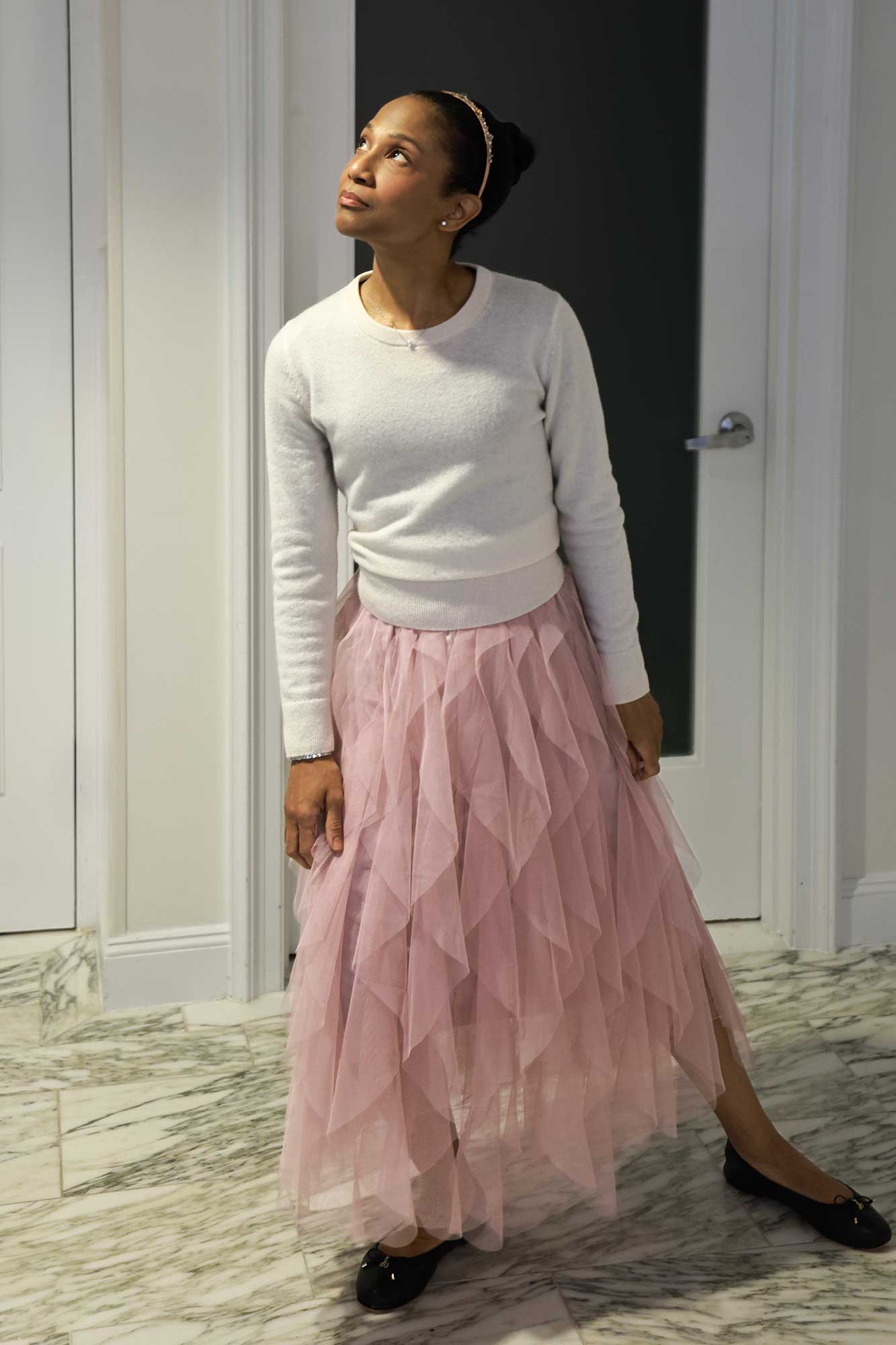
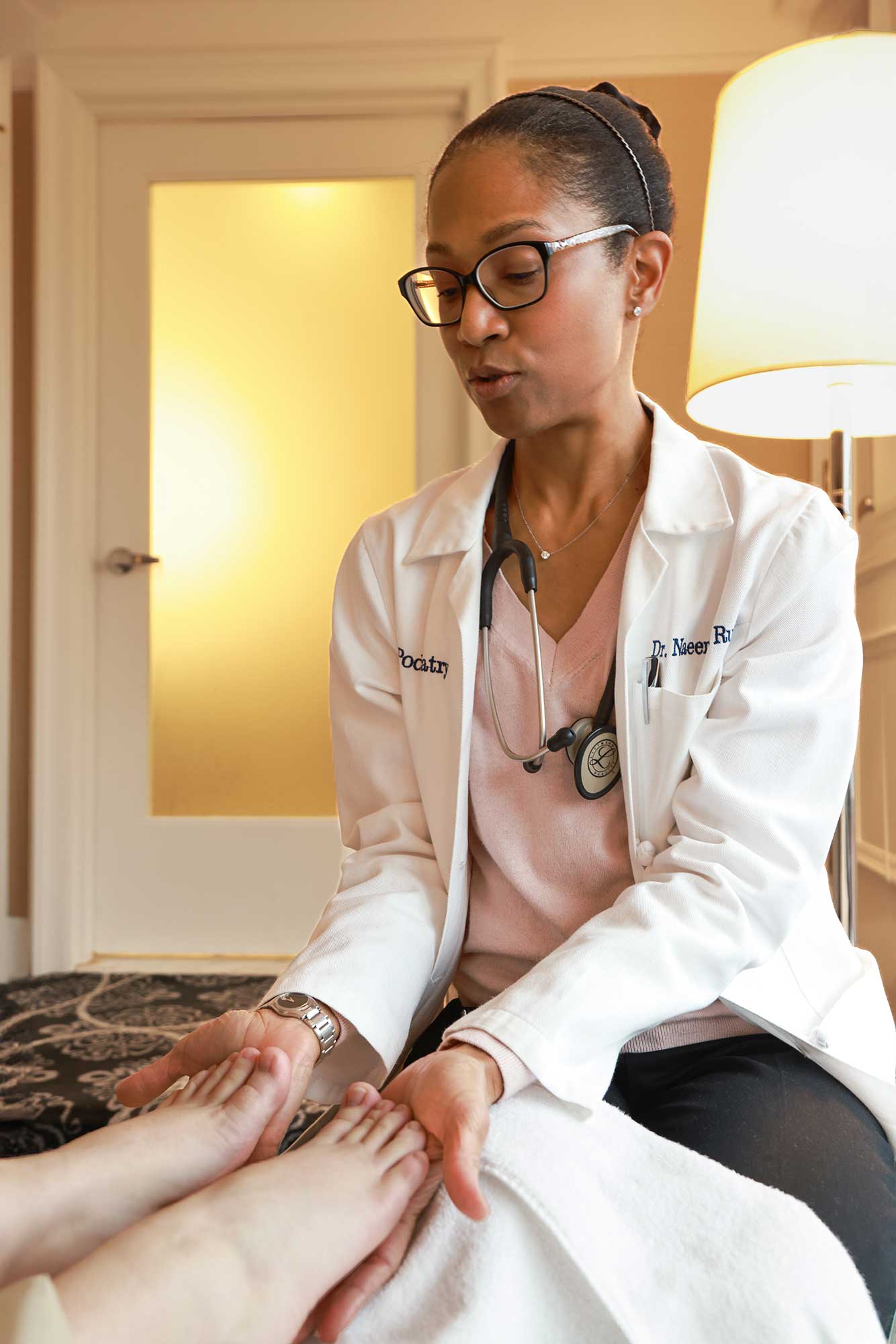
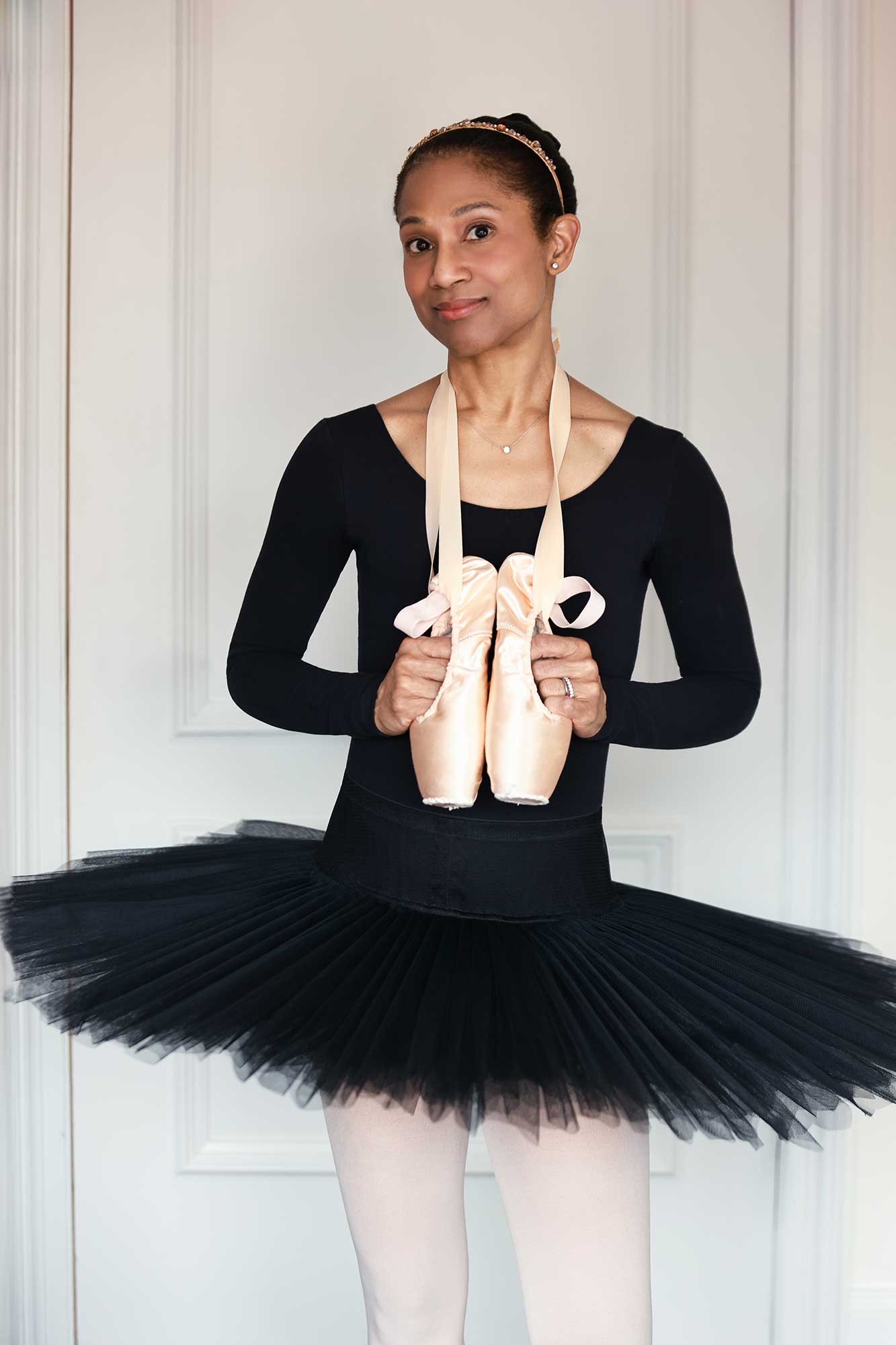
Dr. Ruffin, as a board-certified podiatric surgeon, takes her clinical practice far beyond food care. She is a lifelong ballet enthusiast and has channeled her medical expertise into dance medicine, specifically, into ballet podiatry, a niche that treats the specialized needs of ballet dancers. Through her Ballet Podiatry practice, she performs biomechanical evaluations, pre-pointe assessments, injury prevention planning, and long-term food and ankle care tailored to both pre-professional and professional dancers. Her workshops and seminars, often helf at dance studio and schools, bridge scientific understanding with movement intuition—helping dancers stay resilient and injury-free.
As a testament to the doctor’s approach, these offerings blend clinical rigor with a dancer’s own expression of strength, turnout, resilience, and balance. Whether she’s advising a young student or an adult returning to studio classes, her work is steeped in the understanding that movement and medicine are not separate worlds but collaborators in health.
Reimagining Facial Aging
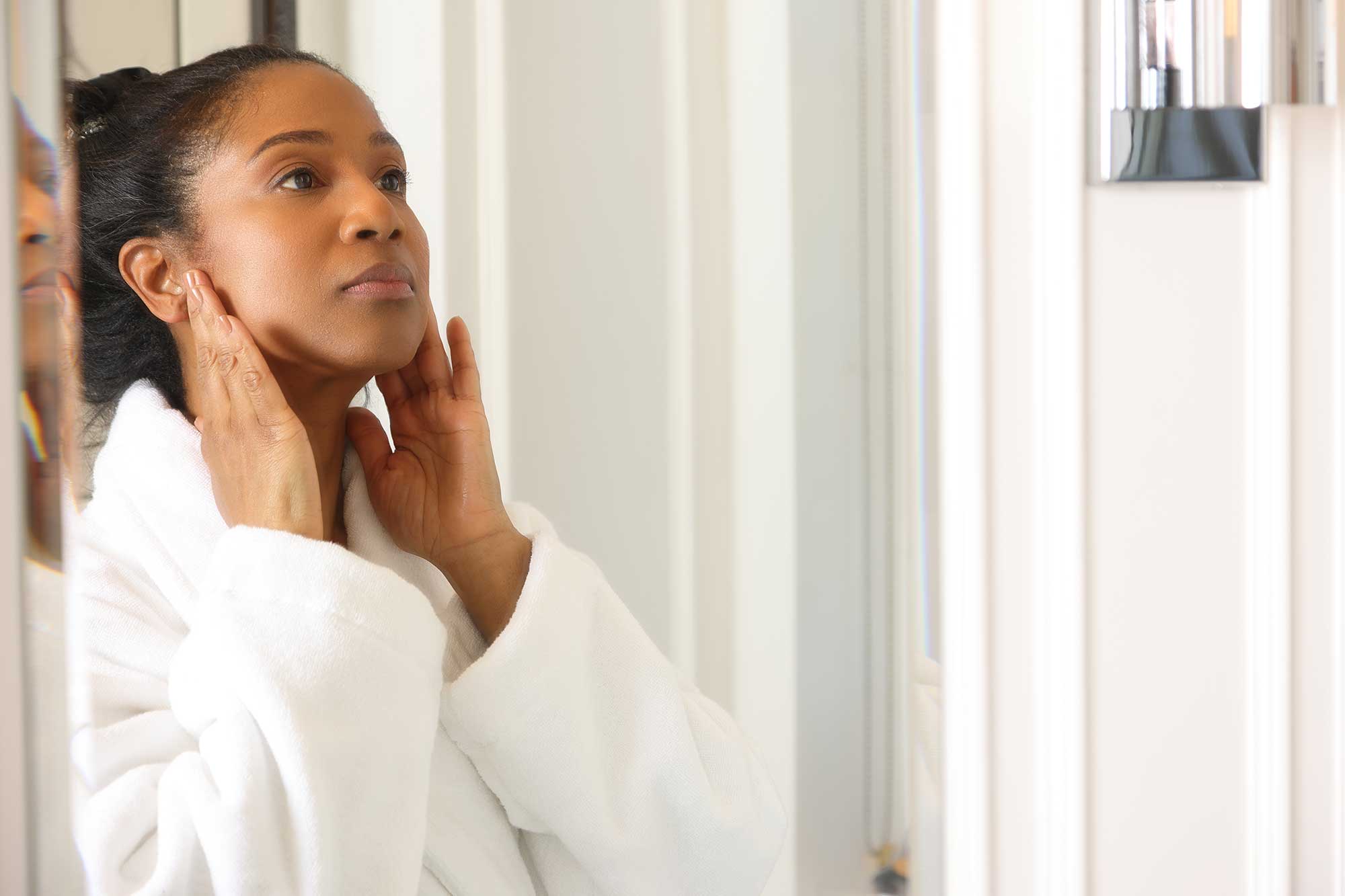
While her work with dancers reflects a long-held passion for movement, Dr. Ruffin’s face fitness company, Bellantz, illustrates another chapter of her vision: holistic self-care for the face. She often thought, “What if our face could be trained the way we train the rest of our body? What if aging didn’t mean surrendering tone or vitality?”
What began as a personal experiment—trying face exercises to address her own signs of aging—evolved into a structured face fitness program, backed by clinical reason, and utilizing a personalized coaching approach. The idea is simple but powerful: just as we train our bodies to stay fit, we can also exercise the 50-plus muscles of the face to enhance, tone, symmetry, and vitality.
Today, Bellantz offers customized training programs tailored to a client’s unique facial structures and goals. Clients typically work through multi-week regimens that involve targeted movements and recommendations for daily practice, guided by Dr. Ruffin’s insights into muscle attachment, blood flow, and facial anatomy. The programs are designed to take less than 10 minutes per day, making them accessible even for busy lives.
Complementing the face exercise component is a plant-based clinical skincare line developed un the Bellantz umbrella. These products—formulated with natural and organic ingredients—aim to hydrate, repair, and nourish aging skin without relying on harsh chemicals or invasive treatments. It’s an approach rooted in Ruffin’s own experience as a breast cancer survivor, which deepened her appreciation for clean, intentional skincare.
Bridging Science & Beauty
What makes this doctor’s approach distinctive is not just the mingling of science and aesthetics, but the confidence it offers clients. In a culture dominated by quick fixes, her message is refreshingly grounded: strength—whether in a dancer’s food or a person’s face—comes from intentional consistent care. It’s a philosophy that values longevity and self-awareness over momentary transformations.
Her work has attracted media attention, guest appearances on health and lifestyle platforms, and recognition from organizations that celebrate women in business and medicine. Dr. Ruffin herself has spoken about aging not as a decline but as an accumulation of character, resilience, and possibility—an outlook she seeks to instill in those she coaches and treats.
A Life In Motion
Outside her professional pursuits, Naeemah Ruffin’s life reflects her values. She continues to take ballet classes, supporting her belief that movement at any age enriches both the body and spirit. She also engages with medical and scientific communities, contributing research and thought leadership to journals and conferences. Whether it’s educating dancers on safe practices, discussing facial biomechanics with clients, or mentoring emerging health professionals, her presence is both intellectual and compassionate.
Dr. Ruffin is part of a new wave of clinicians who reject narrow definitions of health and beauty. Her career demonstrates that medicine can be a platform not just for treating illness but for enhancing everyday quality of life, nurturing confidence, and honoring the rhythms of the human body.
Her story is inspiring on several levels: the courage to change course mid-life, the commitment to lifelong learning, and the generosity to share that wisdom with others. Dr. Ruffin’s work reminds us that aging isn’t something to be fought; it’s something to be understood and embraced with intention.
The doctor’s philosophy asks us to slow down, to notice, and to participate actively in our own well-being. Aging, in her view, is not a problem to solve but a process to engage with—thoughtfully, intelligently, and with respect for the body’s innate wisdom. It is an approach that feels especially resonant now, as more people seek alternatives and rediscover the value of gentler, more sustainable care.
Info: http://bellantz.com; http://doctorsfordancers.com
An Introduction To Facial Fitness
Think of facial fitness as strength training for your expressions. Here are three foundational principles from Dr. Naeemah Ruffin’s approach
- Start With Awareness: Before movement comes recognition. Spend a moment noticing where you hold tension—jaw, brow, lips.
- Isolate With Intention: Facial fitness is about precision, not force. Exercises target specific muscles (cheeks, eyes, mouth) while keeping others relaxed. Less effort, more focus.
- Consistency Over Intensity: Five to fifteen minutes a day is enough. The face responds best to gentle, repeated engagement, not strain. “This isn’t about doing more.” She says. “It about doing it consciously.”
Dr. Naeemah Ruffin: In Her Own Words
We asked Dr. Naeemah Ruffin to share more about the philosophy behind her approach to beauty, movement, and aging well. In this candid conversation, she reflects on the connection between physical vitality and inner confidence, and why she believes true beauty is something we cultivate through how we live—not simply how we look. Her answers offer a thoughtful perspective on redefining wellness at every stage of life.
You made a bold midlife pivot from corporate finance into medicine. What did that moment of change teach ou about listening to yourself?
The importance of movement in understanding aging, strength and longevity is to realize that movement must be specific to your facial structure and must be gentle and deliberate.
Face fitness challenges the dominant anti-aging narrative. What do you wish people understood about the face that we often overlook?
Understand that quick glance in the mirror at how you look is not how you really look. Spending five minutes or longer staring at your face and all its intricacies I bound to lead you deeper beyond the skin and into what you are portraying through how your facial expressions just sit on your face in that unique way they do.
You often say aging isn’t something to fight, but something to understand. How did you arrive at that philosophy?
Ever since I was young. I had always heard the phrases “fight the aging process, fight wrinkles, fight getting older, etc.” I always wondered why we use the term “fight” as if a perfectly natural process such as aging needed to be fought against.
As a physician and breast cancer survivor, how has your relationship with your body—and the way you care for it—evolved?
As a breast cancer survivor, I feel like I do take the time to spend more time listening to the soft cues my body sends me daily. These silent messages are important as they keep me in tune with what is most important in my life. Often that can become drowned out by the busyness of life and often overlooked.
Whether collaborating with dancers or face-fitness clients, your approach centers on awareness and consistency. Why do you think these two principles matter more than quick fixes?
Awareness and consistency are centered on time and practice. It takes time to become aware of the changes that are needed to take place in your life; it takes consistency to make the changes that are needed. As a result, changes will last. Quick fixes are just what the name implies. They are quick and they don’t last.
Forget The Fountain, Find The Barre
Why Ballet Belongs In Your Beauty/Wellness Routine
In a culture that often treats aging as something to fight from the outside in, ballet offers a quieter, more enduring approach. It doesn’t rely on quck fixes or cosmetic solutions. Instead, it works from within—through alignment, awareness, and deliberate movement that strengthens both body and mind. It’s called the anti-aging power of ballet.
Ballet is far more than performance. It’s a system of conditioning that refines posture, balance, coordination and focus all at once. Over time, these elements shape the very qualities most people hope to preserve as they age: fluid movement, physical confidence, stability, and ease. “True longevity isn’t just about how long you live,” says Dr. Naeemah Ruffin. “It’s about how well you move through your life. Ballet supports tat by training the body to function efficiently, gracefully, and with awareness.”
Posture: The Foundation Of Vitality
One of the most visible physical shifts that comes with aging is posture. Shoulders begin to round, the spine compresses, and tension patterns quietly settle into place. Ballet directly challenges this progression. Every movement begins with alignment—length through the spine, openness across the chest, steady core engagement. The body learns to lift upward while remaining grounded. Over time, this strengthens the muscles that support the spine and reduce the tendency to collapse forward.
Better posture does more than create an elegant silhouette. It improves breathing, relieves joint strain, and allows the body to move more efficiently. “Posture is one of the clearest indicators of functional aging,” Dr. Ruffin explains. “When we stand tall, the lung expand more fully, the muscles engage properly, and the nervous system responds differently.” Ballet retrains posture at a very deep level.

Strength That Supports Everyday Life
Ballet builds strength in a way that often surprises people. The movement may appear delicate, but they require remarkable control. Slowly rising onto the balls of the fee, holding a balanced position, or extending a leg with precision activates deep stabilizing muscles—especially I the core, hips, ankles and back.
This is functional strength that supports daily living: walking steadily, reaching without strain, bending safely, maintaining balance without hesitation. Ballet teaches muscles to work together in coordinated patterns, which is exactly what we need to prevent injury and maintain independence as we age.
Flexibility With Stability
Stiffness often becomes more pronounced with time. Reduced range of motion can affect everything from walking to simple household tasks. Ballet addresses flexibility differently than many stretching routines. Rather than forcing extreme positions, ballet emphasizes gradual lengthening with muscular support. The body opens while remaining stable. Strength and flexibility d3evelop together, allowing movement to feel expansive but controlled. “When flexibility is developed without strength, joints can become vulnerable,” she notes. “Ballet protect against that by building stability around every extension.”
Balance, Coordinaation & Brain Health
Balance sits at the center of ballet training. Shifting weight, standing on one leg, coordinating limbs through space, these constant adjustments strengthen stabilizing muscles and sharpen neuromuscular response. “Movement patterns that require coordination and focus stimulate the brain in powerful ways,” Dr. Ruffin explains. You are strengthening neural pathways while strengthening the body. A profound anti-aging effect.

Emotional Well-Being & Expression
Beyond physical, ballet nurture emotional vitality. Movement becomes rhythmic, expressive, and immersive. Many people describe it as a form of moving meditation—absorbing, calming, and centering.
There is also something quietly transformative about rediscovering grace. Even simple movement can restore a sense of lightness and confidence. “Joy is an important biomarker of health,” says Dr. Ruffin. “When people move beautifully, they often feel beautiful in their bodies again. That emotional shift has real physiological benefits.”
Awareness: The Quiet Advantage
Perhaps ballet’s most meaningful gift is heightened awareness. Each movement demands attention=--where the body is in space, where tension is held, where balance shifts.
This awareness allows small imbalances to be corrected early. It encourages efficient movement instead of habitual strain. “Awareness is preventive medicine. When you understand how your body moves, you protect it. Ballet teaches that awareness continuously.”
A Practice For Every Stage Of Life
Ballet is often misunderstood as exclusive or physically demanding, yet its core principles are accessible to anyone. Gentle barre work, beginner classes, and modified exercises allow people of all ages to participate safely. Progress isn’t measured in technical perfection. It’s measured in strength, mobility, and ease.
Ballet does not promise to stop time. What it offers is far more meaningful: the ability to move through time with control, strength, and presence. With consistent practice, posture becomes natural, balance more reliable, and movement more fluid. The body feels supported rather than strained.
“At its heart, ballet is about refinement,” Dr. Ruffin reflects. “It refines how you stand, how you move, how you inhabit your body. That refinement is what allows people to age with vitality, not just longevity.” Its greatest gift is not simply physical conditioning, but a renewed relationship with the body—one grounded in awareness, care, and intention. And in the steady, graceful engagement lies a powerful form of rejuvenation.