A Luminous Chapter In Art Comes Alive Again
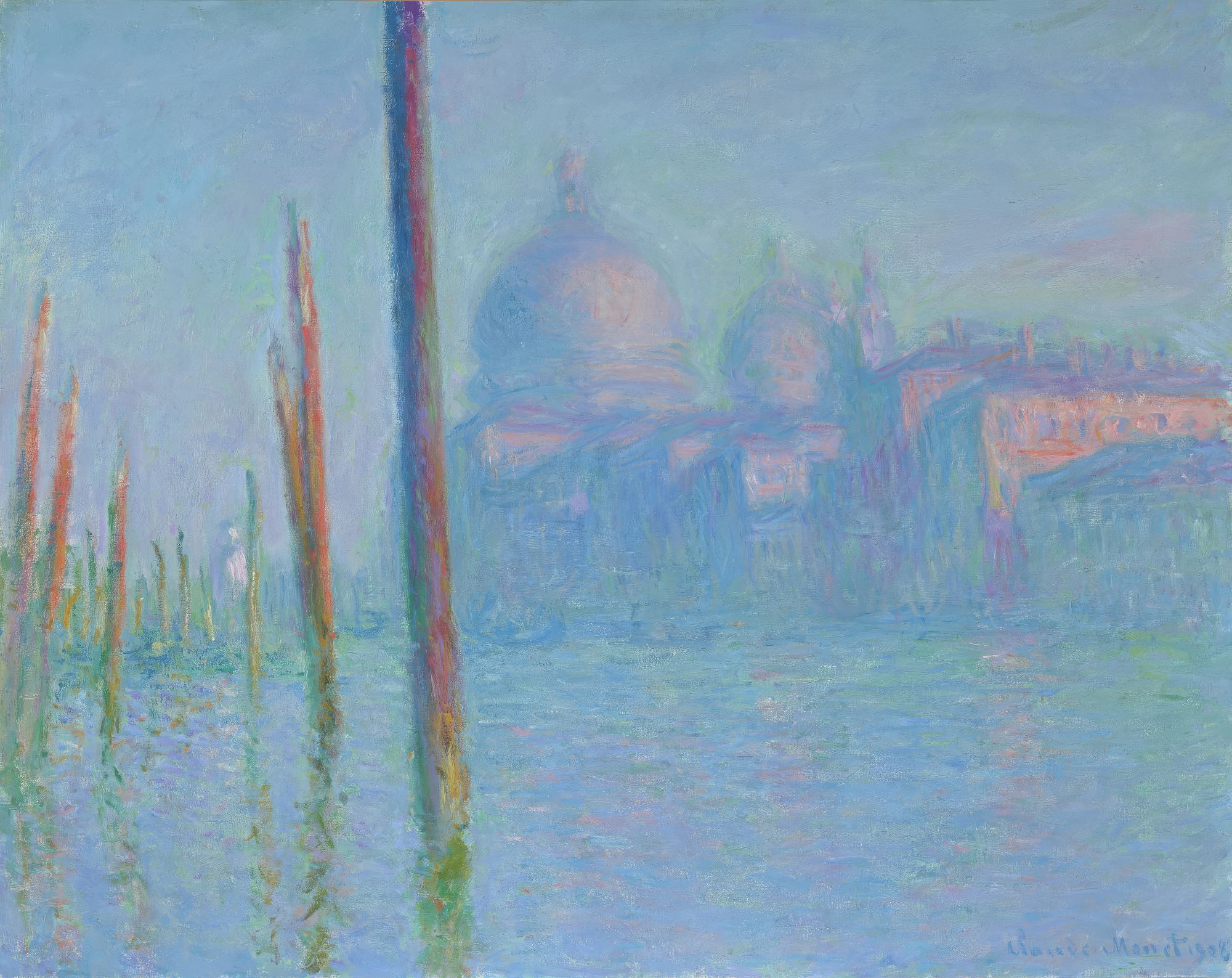
The show is comprised of more than one hundred paintings, sketches, and other works, nineteen of which were inspired by Monet’s only visit to Venice for 10 weeks in 1908. Here, he and his wife Alice would first stay in the home of painter John Singer Sargent and then move into a suite at the St. Regis hotel which featured a balcony that gave Monet a front row seat to paint one of the most beautiful cities on Earth—Venice, featuring such Venetian staples as the Grand Canal and the Doge’s Palace. However, even then, there were complaints about pollution and overcrowding.
This is the first time these works have been reunited since their debut at Galerie-Jeune in Paris in 1912. The show is also the largest New York exhibit devoted to works by Monet in 25 years and was created in partnership with the Fine Arts Museums of San Francisco. Centerpieces of the show are the Brooklyn Museum’s Monet masterpiece Palazzo Ducale, and San Francisco’s The Grand Canal, Venice.
Venice Through Monet's Eyes
“It’s thrilling to reunite so many of Monet’s radiant paintings of Venice, including Brooklyn’s own Palazzo Ducale, which was acquired in 1920 and is emblematic of the Museum’s trailblazing commitment to modern French art,” said the show’s curator, Lisa Small. “Monet found the lagoon city an ideal environment for capturing the evanescent, interconnected effects of colored light and air that define his radical style. In his Venice paintings, magnificent churches, and mysterious palaces, all conjured in prismatic touches of paint, dissolve in the shimmering atmosphere like floating apparitions. We’re eager for our visitors to ‘travel’ to Venice and immerse themselves in the unfolding beauty of these dazzling paintings.”
“We’re delighted to present this groundbreaking exhibition offering a fresh opportunity for visitors to engage with one of the world’s most celebrated artists in a bold new way,” said Anne Pasternak, Shelby White and Leon Levy Director, Brooklyn Museum. “Through thoughtful interpretation and design, we invite our audiences to see Venice through Monet’s eyes and feel inspired by his vision.”
Venice Through Other Masters
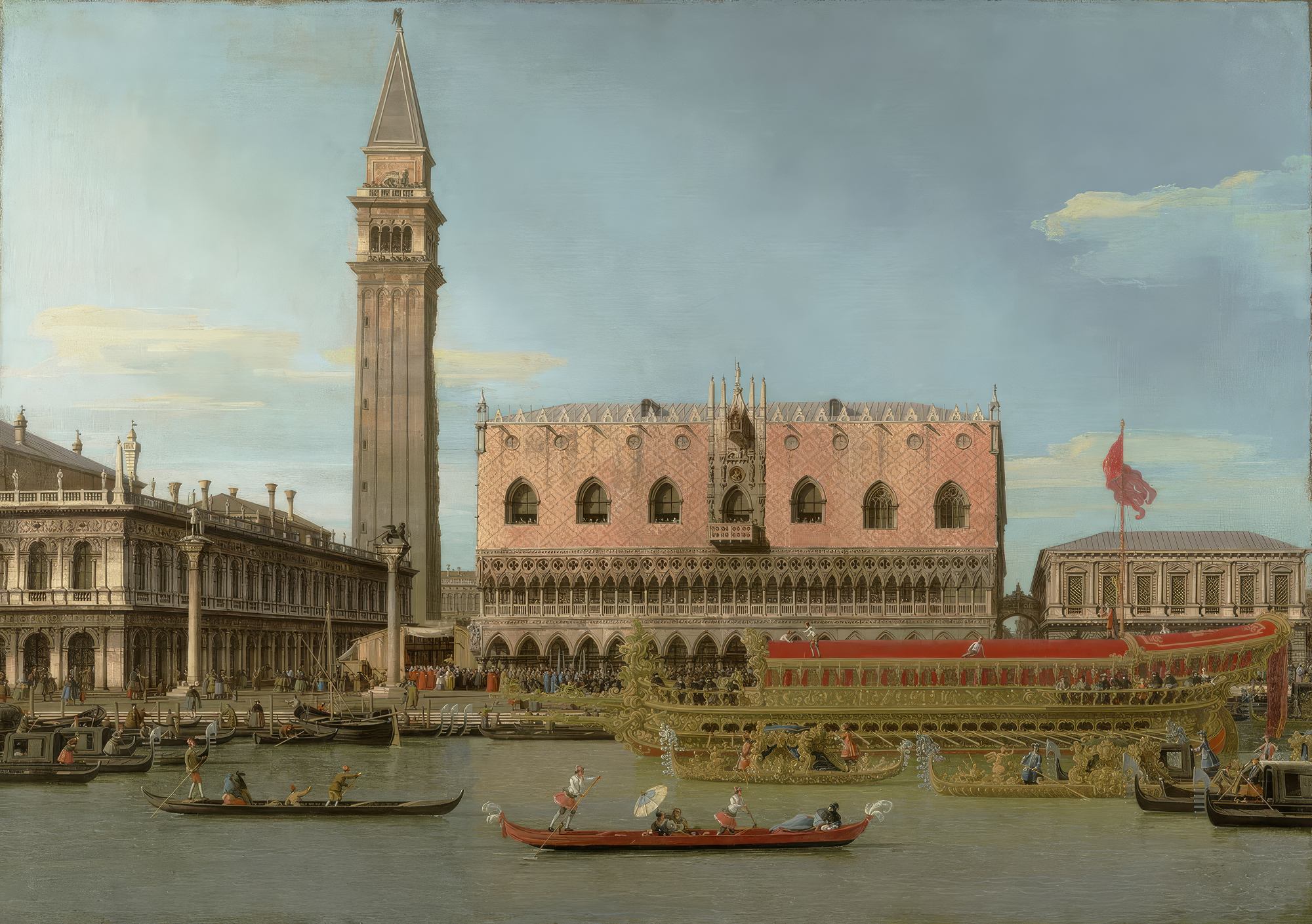
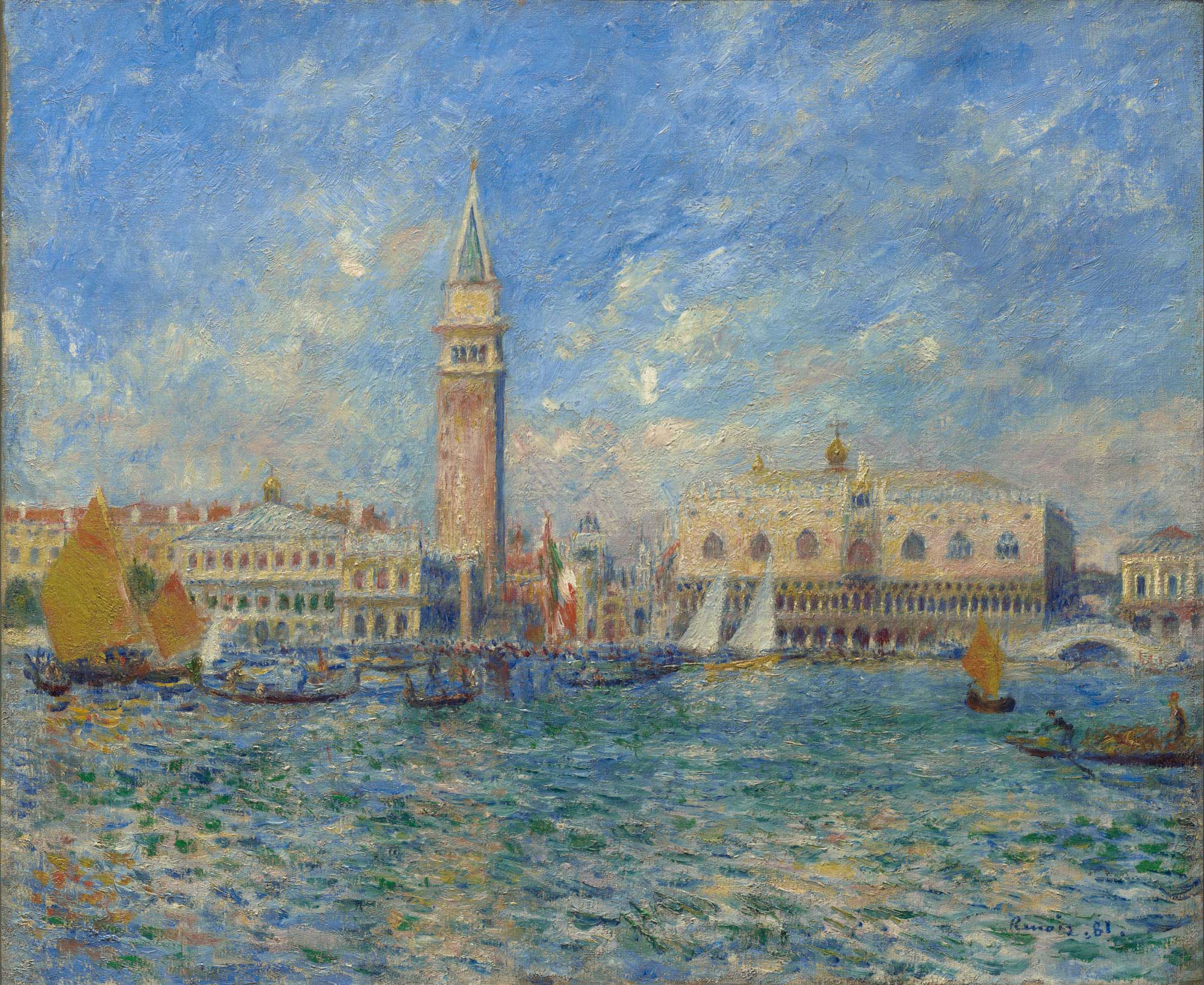
In addition to works by Monet, other masters who painted Venice are represented in the show: Canaletto in the 1700s and contemporaries of Monet--John Singer Sargent, J. M. W. Turner, and Pierre-Auguste Renoir.
While many of their paintings include people, Monet’s works feature only views of the city in his signature style—he painted light, painting the same scene at different times of day. Monet is considered to be the founding father of Impressionism.
Water & Reflection
\In addition to Monet’s paintings of Venice, the exhibition also includes over a dozen other works created throughout his career that show his lifelong fascination with water and reflection. Paintings from Monet’s time in Normandy, London, and his home in Giverny—including three of his famed water lily canvases from the Musée Marmottan Monet in, Paris, a private collection, and the Fine Arts Museums of San Francisco—are displayed, drawing connections between the artist’s Venetian experiments and his broader oeuvre.
Monet’s trip to Venice was his last major international journey, serving as both an interruption and a replenishment of his artistic focus. He returned invigorated, with a new perspective on the water lily paintings created in his home in Giverny. As Monet asserted, “My trip to Venice has had the advantage of making me see my canvases with a better eye.” But before his trip he was quoted as saying: “Venice is too beautiful to paint.”

Echoes of the Past
The exhibition also features historical ephemera such as guidebooks of Venice and postcards written by Alice to her daughter, including one marking where the couple stayed for part of their trip. Select postcards, photographs, and letters are on loan to the Museum from the collection of Philippe Piguet, Alice Monet’s great-grandson from her first marriage.
So, if you’re in the mood to be surrounded by beauty, then Monet and Venice at the Brooklyn Museum is your big chance to realize that dream. Go!
For more information, visit brooklynmuseum.org. Monet and Venice through February 1, 2026.